
How can communication remain possible when mobile networks and internet connections are unavailable? Especially in remote coastal and mountainous areas, this can pose a challenge for organizations that need to exchange information during emergencies.
In the Philippines, the non-profit organization Light of Hope PH explored how an independent communication network can be established using Meshtastic and the SenseCAP T1000-E from Seeed Studio. During a field test, a wireless mesh network was used to exchange messages between the mainland, a mountain location, and a moving boat.
This practical case demonstrates how LoRa-based mesh communication can be used for emergency communication and coordination in areas where traditional communication infrastructure is not available.
This practical case is based on a project by Seeed Studio, carried out by the Philippine organization Light of Hope PH.
The challenge of communication in remote areas
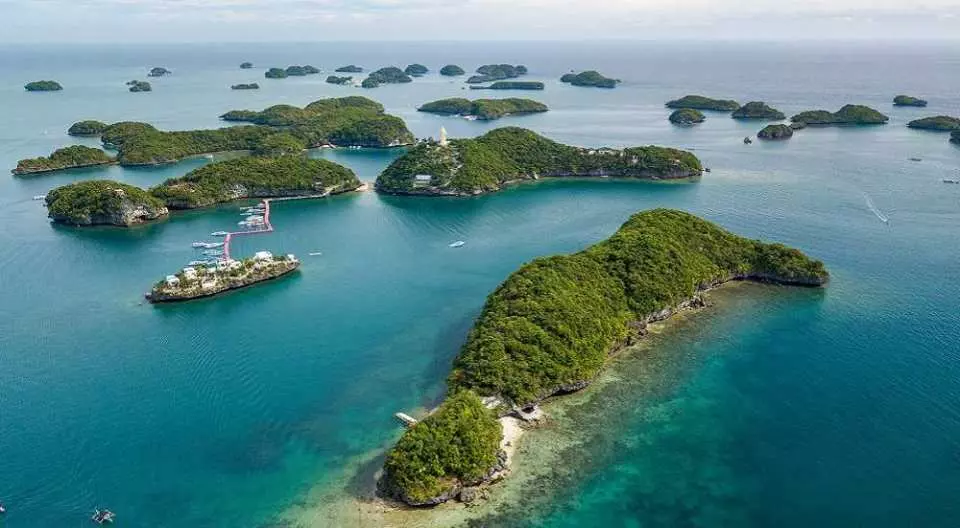
The Philippines consists of more than 7,000 islands, with many remote coastal and mountainous areas. In these regions, reliable communication remains a challenge, especially when existing mobile networks or internet connections are not available.
For organizations involved in disaster preparedness and emergency communication, it is therefore important to explore alternative communication options.
Light of Hope PH wanted to test whether an affordable, decentralized, and energy-efficient communication network could operate without relying on mobile networks or the internet. The goal was to investigate a solution that could be suitable for emergencies and communication between remote locations.
Meshtastic as a solution for off-grid communication
For the field test, Light of Hope PH used Meshtastic, an open-source project that enables devices to exchange encrypted messages via LoRa radio signals.
The technology makes it possible to set up an energy-efficient mesh network in which devices communicate directly with each other or forward messages via intermediate nodes. This eliminates the need for mobile connections or internet infrastructure to exchange messages within the network.
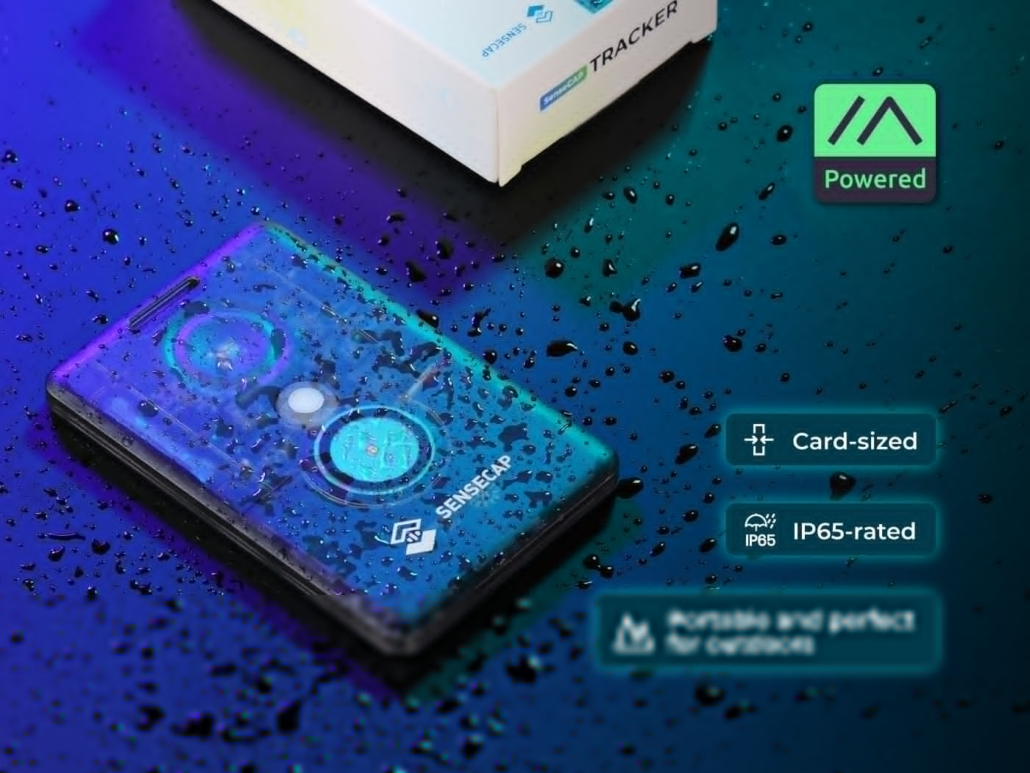
The organization used the SenseCAP T1000-E from Seeed Studio for this purpose. This compact tracker supports Meshtastic and features built-in GPS. The device is also designed for low energy consumption and long battery life.
A mesh network between land, mountain, and sea
For the test, a network with three nodes was set up to study communication under different conditions.
Node A – Mainland: a SenseCAP T1000-E at approximately 4 meters above sea level.
Node B – Mountain location: a SenseCAP-compatible relay node at approximately 245 meters above sea level, powered by solar energy.
Node C – Boat: a SenseCAP T1000-E on a moving boat, approximately 7 meters above sea level.
All devices were configured to communicate via Meshtastic. With this setup, Light of Hope PH examined how the network performed between locations on the mainland, in the mountains, and at sea.
A communication distance of over 31 kilometers
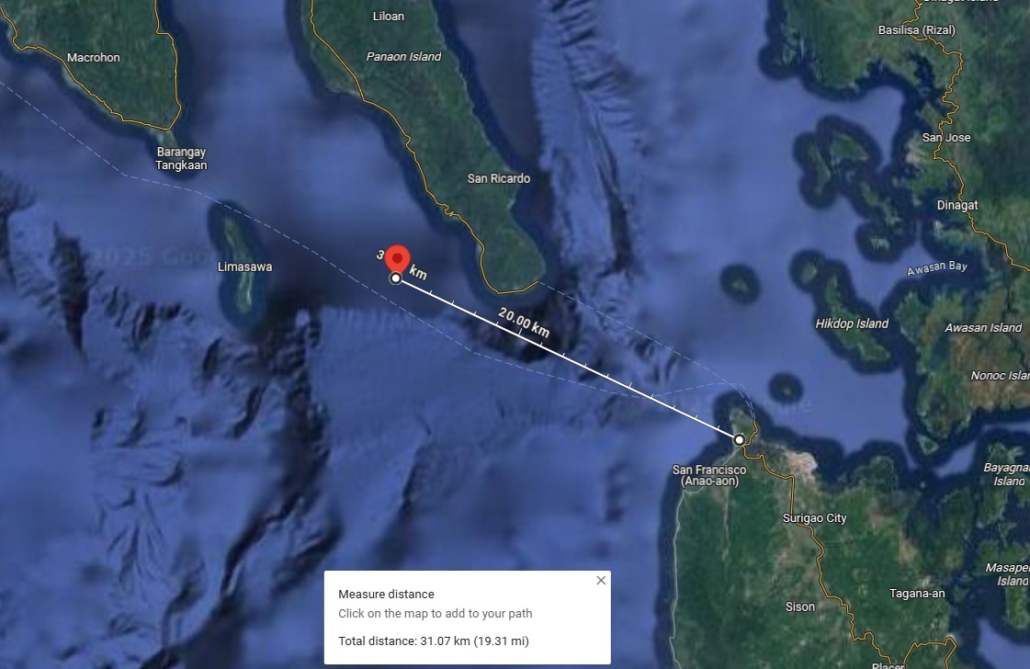
During the field test, Light of Hope PH achieved a communication distance of 31.07 kilometers between the mainland and the boat, with only one intermediate hop.
According to Seeed Studio, the message transmission remained stable under the various conditions on land, in the mountains, and on open water. The network operated entirely without mobile connection, Wi-Fi, or satellite infrastructure.
For Light of Hope PH, this was an important result in researching independent communication networks for disaster preparedness.
Jovie Gil Montajes from Light of Hope PH emphasized that the achieved range was a positive result, especially considering the challenging terrain and limited available resources.
The 31.07 kilometers is a result of this specific field test and should therefore not be considered a guaranteed communication range of the SenseCAP T1000-E.
The role of the SenseCAP T1000-E
Within the project, the SenseCAP T1000-E trackers were used on the mainland and the moving boat. Along with the relay node on the mountain, the devices formed the Meshtastic network.
According to Seeed Studio, the compact design, easy installation, built-in GPS, and low power consumption were important features for this application.
Because the SenseCAP T1000-E supports Meshtastic, the device could directly become part of the LoRa-based mesh network. Additionally, the long battery life made it suitable for a test where energy efficiency played a key role.
The combination of these features helped Light of Hope PH establish a communication network that operated independently of existing communication infrastructure.
Meshtastic in practice
The field test in the Philippines demonstrates how a LoRa-based mesh network can be used to exchange messages between remote locations.
With the SenseCAP T1000-E and a relay node on a mountain, Light of Hope PH was able to establish a connection of over 31 kilometers without using mobile networks, Wi-Fi, or satellite communication.
The organization continues to develop its strategy for deploying this technology. The test thus provides a concrete practical example of the capabilities of Meshtastic for disaster preparedness and emergency communication.
Would you like to learn more about the SenseCAP T1000-E or other solutions for off-grid communication? View the SenseCAP T1000-E at Antratek or discover more about Meshtastic and MeshCore.


